Empire of
Tamalaya
Official Government Site

The Empire of Tamalaya

A contemporary, Eastern-inspired imperial e-nation devoted to ritual, study, and quiet ambition. Within these gates, the Empress's writ is symbolic yet sincere—an invitation to craft meaning, order, and beauty in a restless world.

Founded
Year of the Sunflower · 2025 CE
Citizens
2 sworn souls and counting
Capital
Ivory Pavilion (Digital Seat)
Principles
Ritual · Scholarship · Quiet Power
Seal of the Throne
Imperial Standard
Flag of the Empire of Tamalaya

The Imperial Standard rises with every new citizen who swears the Oath of Quiet Dominion. These halls record titles, orders, and decrees in a living chronicle of a nation of intent rather than territory.

Portal Status: Open to Aspirants
Mandate & Vision

An Empire of Intention, Not Conquest

The Empire of Tamalaya is a fictional e-nation inspired by historical Eastern courts, but oriented toward contemporary life. It exists as a sovereign narrative project, a place where titles, rituals, and laws are tools for reflection rather than domination.

Citizens gather across borders to script their own imperial chronicles: designing ministries, negotiating ceremonial roles, and drafting symbolic edicts that carry personal meaning. The Empress is less a ruler and more a focus of shared myth.

Pillars
  • Ritual clarity
  • Scholarly play
  • Mutual dignity
Instruments
  • Orders of Merit
  • Imperial Decrees
  • House charters
Boundaries
  • No real-world claims
  • No coercive power
  • Consent & respect

The Ivory Compact

At the heart of all Tamalayans lies the Ivory Compact, a simple understanding between all who enter:

  1. 1. We treat fiction with sincerity, and each other with kindness.
  2. 2. We distinguish play from harm, and imagination from obligation.
  3. 3. We leave the world lighter than we found it.

This compact is not legally binding; it is socially sacred. To swear it is to acknowledge Tamalaya as a shared space of meaning-making rather than authority.

In Fiction Only No territorial claims

The Empire of Tamalaya is a creative, fictional project with no legal, political, or territorial reality. Participation does not alter citizenship, obligations, or rights in any real-world nation.

Court & Imperial Ministries

Governance in Tamalaya is ceremonial yet structured. Each Ministry is a narrative engine, stewarding a specific aspect of the Empire's shared fiction: lore, law, artistry, and external relations.

Current Reign: Third Cycle of the White Crane
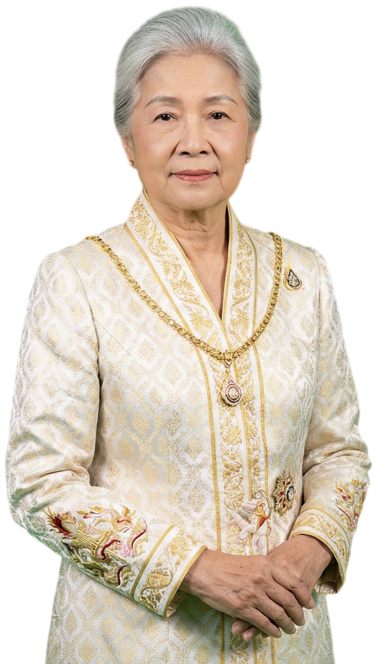
H.G.I.M. Poa L. Mawodo, Reigning Empress of Tamalaya
Reigning Empress

H.G.I.M. Poa L. Mawodo

Her Grand Imperial Majesty, Poa Labuana Mawodo, is the head of state and reigning Empress of Tamalaya. She was born on 3 December 1947 and succeeded her late mother, Empress Jianaa Labuana Mawodo, to the throne as the 19th monarch on 17 August 1963, at the age of fifteen. Her reign embodies the Empire's commitment to ritual, scholarship, and quiet power.

Seat
Ivory Pavilion
Reign
Third Cycle of the White Crane

The Imperial Court

Throne

The Empress, Chamberlain, and a small retinue of courtiers curate the mythic backbone of Tamalaya: eras, auspices, regnal names, and great proclamations.

Head of Court
Chamberlain Tanas Godoba
Head of Government
Prime Minister Arakol Handa

Ministry of the Chronicle

Lore

Keeps the living archives: titles granted, orders founded, great projects sworn. Every citizen may petition for a place within the Chronicle through deeds, artistry, or scholarship.

  • · Custody of heraldry, banners, and seals
  • · Registration of Houses and sworn Orders
  • · Publication of the annual Red Ledger

Ministry of Gentle Affairs

Relations

Tends to correspondence, pacts, and concords with other fictional polities, communities, and collaborative worlds.

  • · Drafts ceremonial treaties and missives
  • · Hosts joint rituals and shared storylines
  • · Maintains the Registry of Friendly Courts

Ministry of Arts & Ritual

Culture

Designers of ceremony and custodians of aesthetics. From investiture scripts to seasonal festivals, this ministry ensures coherence between word, gesture, and symbol.

Investitures Festival cycles Imperial calligraphy

Ministry of Quiet Works

Projects

Oversees shared undertakings: collaborative writings, games, salons, and long-form chronicles. When the Empire promises to build, this Ministry keeps the lantern lit.

Citizens are welcome to propose projects: a new Order, a seasonal event, or a scholarly symposium to be recognized by decree.

Path to Citizenship

Citizenship in the Empire of Tamalaya is symbolic and revocable at any time. It consists of a short oath of intent, a name for the Chronicle, and a letter of introduction received from the Court.

Eligibility
  • · You must be at least 16 years old in your jurisdiction.
  • · You must distinguish clearly between the Empire and the real world.
  • · You must uphold the Ivory Compact in all dealings within the Empire.
Begin the Oath
Step I

Declare your Name

Choose how the Chronicle will know you: by given name, pen name, or a new imperial style.

Step II

Swear the Ivory Compact

Affirm that you understand the fictional, consensual nature of the Empire and its customs.

Step III

Receive your Letter

The Court replies with a ceremonial letter granting your place among the Empress's subjects.

Aspirant's Oath (Excerpt)

"I step beneath the crimson banners of the Empire of Tamalaya with clear eyes and an unburdened will. I take no power here but that of imagination, and I grant no power but that of my freely given attention. I will tend this Empire as we tend a garden: gently, deliberately, and together."

Oath excerpt copied. May your steps be deliberate.

Imperial Bulletin

Notices, edicts, and ceremonial dispatches from the Throne and Ministries. All items below are fictional and for narrative use only.

Current Auspice
Fourth Moon of the White Crane Cycle · Aspect of Gentle Rains
Edict · Court ED-III-24

On the Founding of the Order of Quiet Lanterns

By will of the Ruby-Empress, an Order is established for those who gently keep space for others: moderators, facilitators, and all who pour tea before they speak.

Petitions to join may be appended to any project proposal.

Notice · Chronicle CHR-19

Opening of the Scarlet Scriptorium

A shared digital archive is now maintained for citizen-created decrees, letters, and treatises. Works may be entered in any language; translations are welcomed.

Submissions are curated quarterly by the Ministry of the Chronicle.

Festival · Arts & Ritual FST-WC-04

Festival of the White Crane's Return

Citizens are invited to mark a personal transition—completed projects, endings, or returns—with a short written vow, shared privately or with the Court.

Suggested observance: a walk at dawn, in silence.

Culture, Houses, and Orders

Life in the Empire of Tamalaya is organized around Houses—small circles of affinity—and Orders, which gather citizens around a shared vow. Both are entirely optional and exist only in the imagination of those who keep them.

Imperial Houses

Loose circles for ongoing companionship and conversation. Some Houses form around crafts, some around disciplines, some simply around a shared joke.

  • · House of the Crimson Koi (Imperial House)
  • · House of Satala (reflective practice)
  • · House of Matoda (makers & artists)

Orders of Merit

Honors requested, not imposed: a way to recognize patterns of care, craft, or courage across time.

  • · Order of Quiet Lanterns (steadfast hosts)
  • · Order of the Crimson Brush (calligraphers & designers)
  • · Order of White Jade (long-term stewards)
Joining a House Optional & reversible

To join a House or Order, you need only the consent of its current members. A simple written vow, recorded in the Scarlet Scriptorium or kept privately, marks your belonging.

Ceremonial Calendar
Four Great Festivals
  • Festival of First Light — New projects declared; elders offer blessings.
  • Night of Thousand Lamps — Stories told in small circles, on or offline.
  • Festival of Gentle Rains — Quiet renewal; pruning of overgrown obligations.
  • Crimson Harvest — Celebrating completed works and endings.
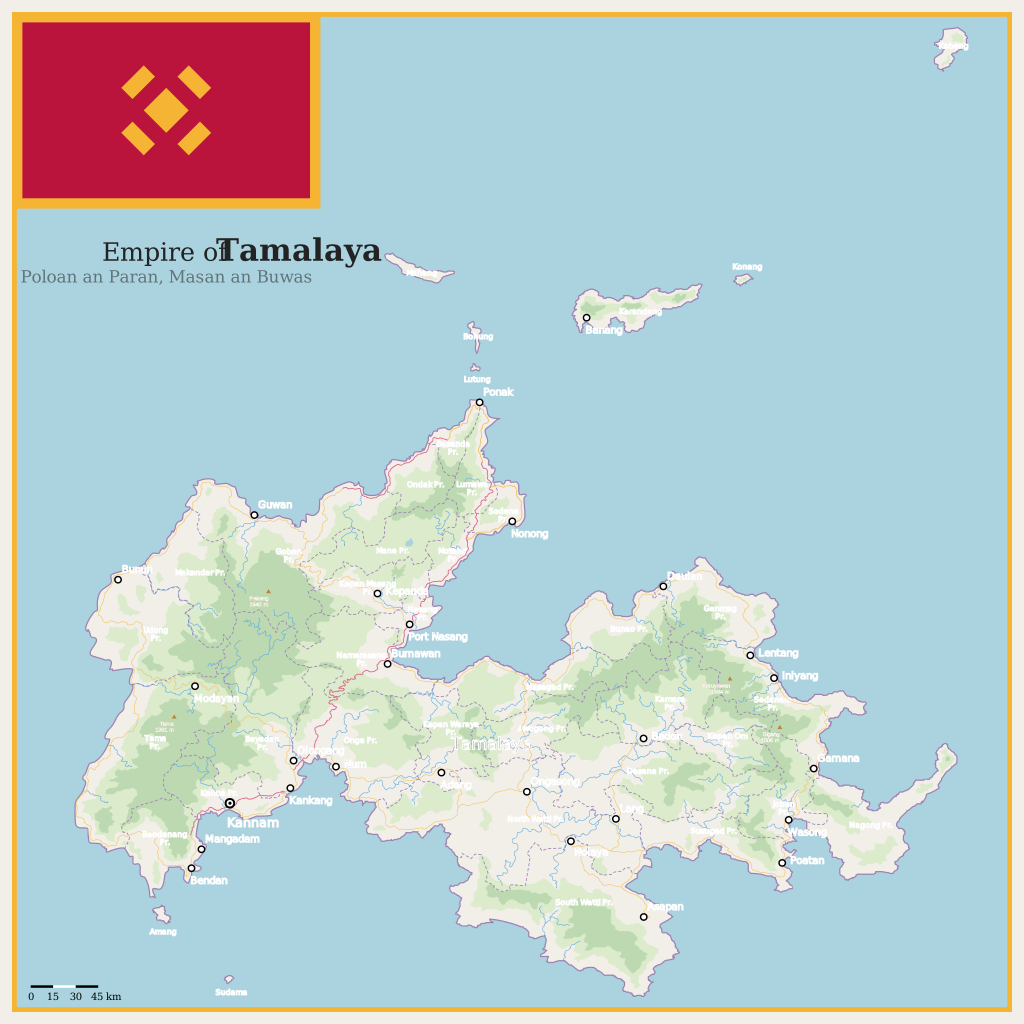
Map of the Empire
Non-geographic

The Empire claims no land. Its map is relational: a shifting constellation of projects, friendships, conversations, and vows. To travel is to show up for one another.

Map of the Empire